What each panel screens for
Programs specify panels, not tests. This page sets out what each standard configuration covers so you can check it against the one your policy or your order already names.
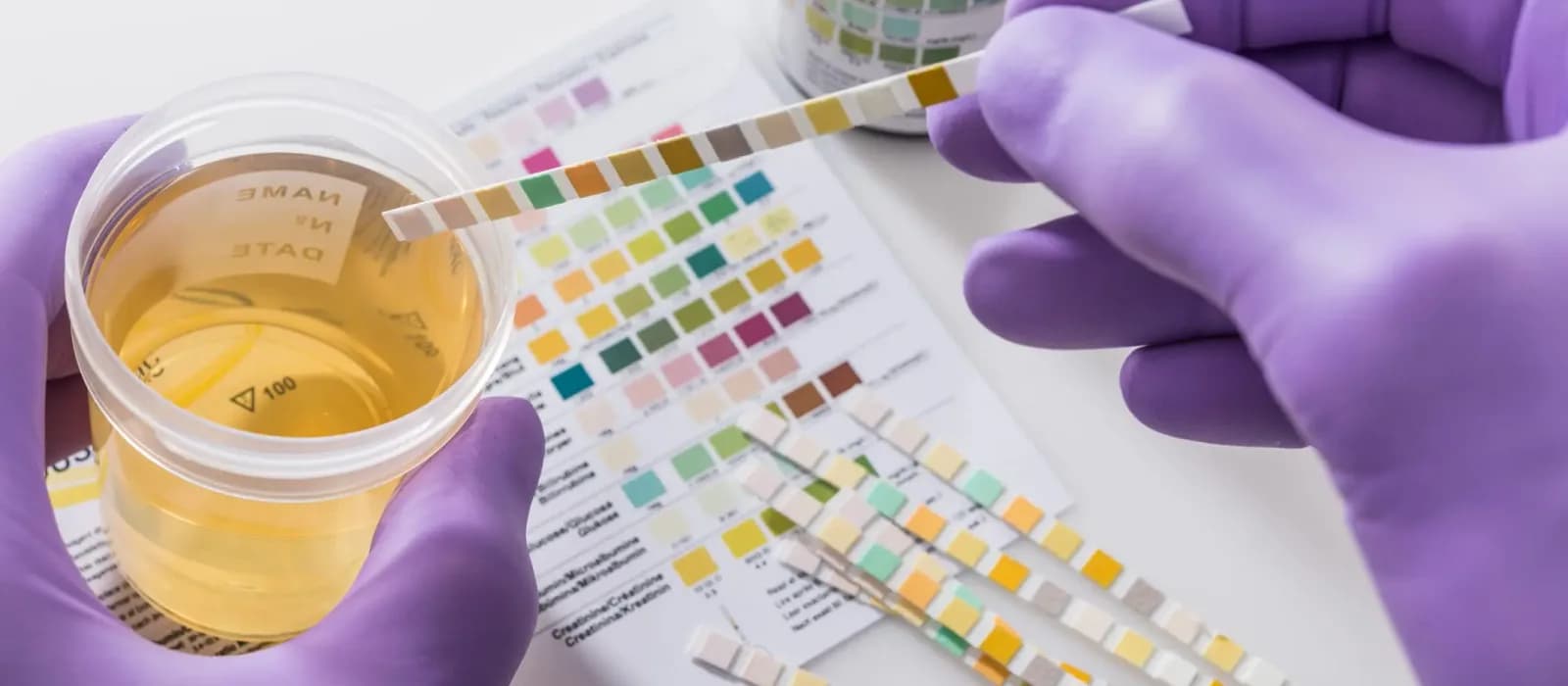
Drug panels
If your program names a panel, we collect to it. If it names substances instead, send the list and we will match it.
DOT 5-panel (federal)
FederalEvery federally regulated DOT test. The configuration is set by the rule, not by the employer or by us — it cannot be added to or reduced for a DOT collection.
- Marijuana metabolites (THCA)
- Cocaine metabolites
- Amphetamines (incl. methamphetamine, MDMA)
- Opioids (codeine, morphine, heroin metabolite, hydrocodone, hydromorphone, oxycodone, oxymorphone)
- Phencyclidine (PCP)
Standard 5-panel
The common non-regulated workplace screen, and the usual starting point for a pre-employment program.
- Marijuana metabolites
- Cocaine metabolites
- Amphetamines
- Opiates
- Phencyclidine (PCP)
10-panel
Widely specified by courts, probation departments and treatment programs, because it adds the prescription classes that supervision cases most often turn on.
- The standard 5, plus:
- Barbiturates
- Benzodiazepines
- Methadone
- Propoxyphene
- Methaqualone
12-panel
Used where a program wants the common prescription opioids covered explicitly rather than by inference.
- The 10-panel, plus:
- Oxycodone / oxymorphone
- MDMA (ecstasy / MDA)
Expanded and custom panels
Where a program names substances outside a standard configuration. Tell us the list — or send the form you already use — and we will collect to it rather than substituting our own.
- Fentanyl and synthetic opioids
- Buprenorphine
- Tramadol
- Synthetic cannabinoids (K2 / Spice)
- Anabolic steroids
- Kratom (mitragynine)
Alcohol tests
Breath testing answers a different question from the laboratory markers. One tells you about now; the others look back, by different amounts, in different ways.
| Test | Measures | Used for |
|---|---|---|
| Breath alcohol (EBT)49 CFR Part 40 Subpart M | Breath alcohol concentration at the time of the test | Current impairment, on site. Screening and confirmation on an evidential breath testing device, including the waiting period the federal procedure requires before a confirmation test. |
| Oral fluid alcohol | Alcohol present at the time of the test | A screening alternative where breath testing is impractical at the collection site. |
| EtG / EtS — urine | Ethyl glucuronide (EtG); Ethyl sulfate (EtS) | Courts and monitoring programs that need to look back further than a breath test can. The cutoff is set by the program, and it determines what the result means — ask before you rely on one. |
| EtG — hair | Ethyl glucuronide in hair | A longer-window alcohol marker, where a program specifies it. |
| PEth — blood | Phosphatidylethanol (PEth) | Increasingly specified in monitoring and family court matters. Requires a blood draw rather than a urine or breath collection. |
What we can collect
- Urine49 CFR §40.45
- The standard specimen for workplace and court-ordered programs, and the only one permitted for federal DOT drug testing.
- Oral fluid49 CFR §40.35
- Collected under direct observation without a restroom, which makes it practical at a worksite and difficult to subvert. A separate collector qualification applies.
- Hair
- Used where a program wants a longer look-back than urine gives. The window depends on the length of sample that can actually be collected.
- Nail
- An alternative where hair is unavailable or has been removed.
- Blood
- Required for PEth, and used where a program specifies a blood draw.
Cutoff concentrations differ between federal and non-federal programs, between the initial screen and the confirmatory test, and between laboratories. The number that governs your result is the one the testing laboratory actually applies — so publishing a figure here would invite you to rely on something that may not be the one in play.
Tell us the program and we will tell you the cutoffs that will be used.
How far back a test reaches depends on the substance, the dose, the metabolite, the specimen type and the individual. Round numbers get quoted back in hearings and they do not survive the question “according to whom?”
If timing matters to your matter, say so and we will tell you what is and is not knowable from a given specimen.
Need a panel matched exactly?
Send the panel your policy or your order names — or the form you already use — and we will collect to it rather than substituting our own.